The style change usually fails in the first sixty seconds, at the moment the barber asks what you want and you say something like a little shorter, but different. Vague instructions get a vague result, and the fix is not learning barber vocabulary. It is treating a style change as a small project with a calendar: a decision visit, a first cut that keeps options open, a two week test, and an honest review before the second cut locks it in.
Men in Salisbury who change styles successfully tend to do the same few things. They bring pictures, they say how much daily work they will actually do, and they do not judge the new cut on day one, when it looks least like itself.
The style change calendar
| When | Step | What to say or bring |
|---|---|---|
| Two weeks before | Collect references | Save 3 to 5 photos of the style on hair like yours, not on a different texture |
| The decision visit | Talk before the cape | Show the photos, name what you like about them, ask what your hair will and will not do |
| First cut | Cut conservatively | Agree to leave a little length as insurance; shorter is one visit away, longer is months away |
| Days 1 to 14 | Test drive | Style it your real way on workdays, note what takes time and what misbehaves |
| Second visit | Review and adjust | Report the two week notes; refine length, blend, and product with evidence |
| Each season after | Revisit the plan | Summer and winter may want slightly different versions of the same style |
Notice what the calendar protects you from: the same day verdict. A new style needs new styling habits, and your hands will do the old routine automatically for about a week. Judging at day ten, with the routine learned, is judging the cut. Judging at day one is judging your muscle memory.
References that actually help
A useful photo shows the style on a head with your hair texture, your hairline, and roughly your face shape. A photo of a model with thick wavy hair tells a barber very little about what to do with fine straight hair, and a good barber will say so plainly rather than quietly disappoint you. Bring two or three angles if you can, including a side view, since most disagreements between expectation and result live in the blend and the profile. Screenshots from your own past cuts count too. A photo of yourself with a cut you liked two years ago is the most honest reference there is, and it tells the barber your hair's behavior in that style, not a stranger's.
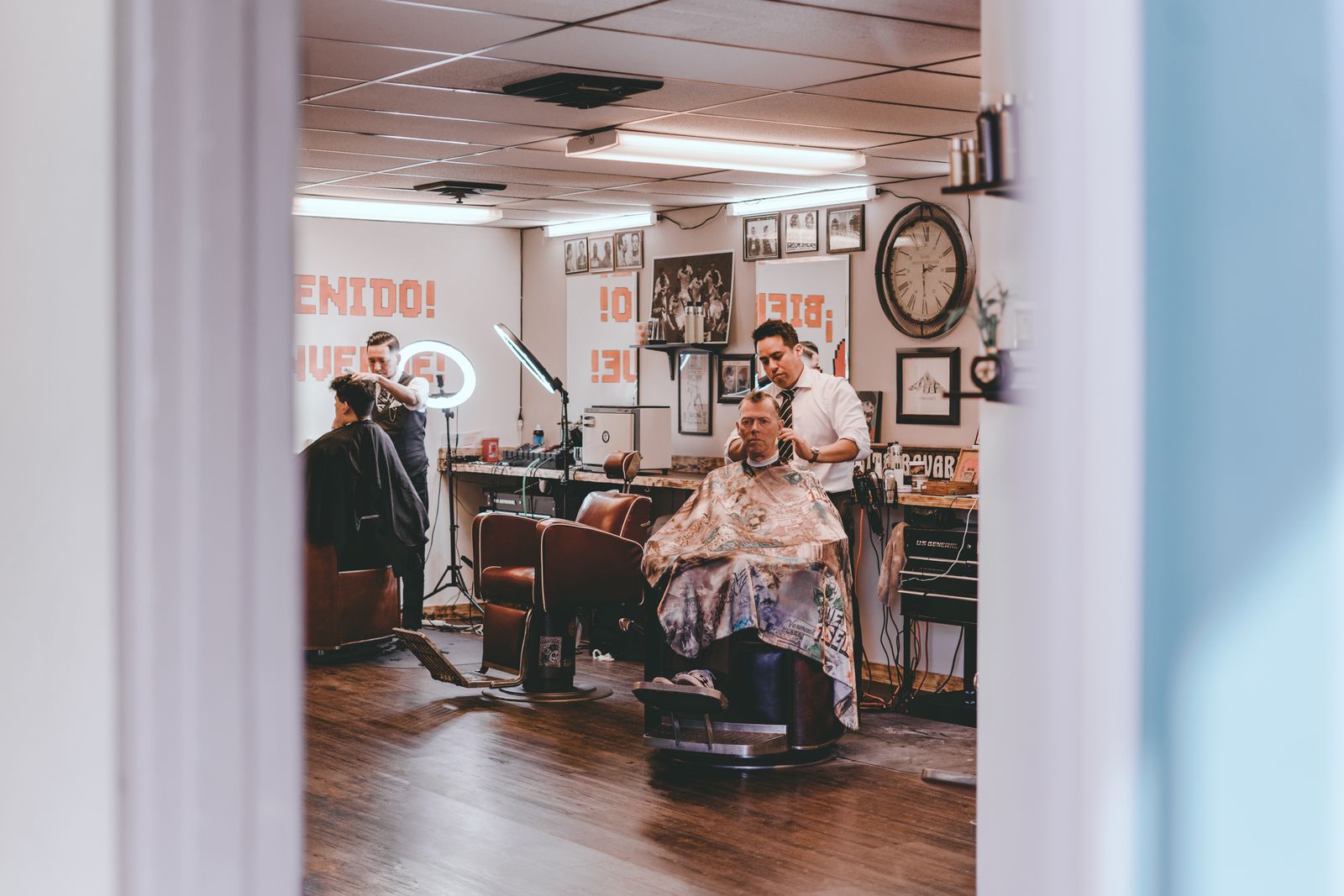
Be specific about the parts, not just the whole. Say which part of the photo you care about: the tightness at the sides, the length left on top, the natural hairline. At MadeMan Barber Shop, that level of detail turns a consultation from a guessing game into a short, concrete agreement about what the clippers do first.
The honesty part: daily effort
Every style has a maintenance price paid in minutes. A sharp part with product, styled each morning, costs five to ten minutes a day. A textured crop costs about one minute. Neither is better; they are different purchases. The style change that fails most often is the one where a man picks the high effort look and lives the low effort life, then blames the cut by week two. Say your real number out loud. Barbers would rather build you the two minute version of a style that you will actually wear than the ten minute version that looks great only in the chair. Growth pattern honesty matters too: a strong cowlick or a swirl at the crown will vote on your style every day, and designing with it beats fighting it.
If the change goes wrong
Most misses are fixable in one return visit, especially if the first cut was conservative. Too long is a quick correction. Too short is a calendar problem, solved by weeks rather than skill, which is the strongest argument for the conservative first cut. What is not fixable by silence is drifting: three cuts of small unmentioned adjustments can walk a style far from what you wanted. Use the review visit. Barbers expect adjustment notes after a change and read them as information, not complaints.
Common questions
How many reference photos should I bring?
Three to five, on hair similar to yours, including a side view if possible. More than that usually blurs the decision rather than sharpening it.
What if my hair cannot do the style I want?
A good barber will say so and offer the closest version your texture and growth pattern allow. That honesty before the cut is worth more than an attempt that fails.
Should I change barbers for a new style?
Not usually. A barber who knows your head is an advantage. Change only if your barber will not discuss the change or keeps cutting the old style after you have asked clearly.
Photos in this guide are representative stock images.
← All guides from MadeMan Barber Shop← Back to MadeMan Barber Shop