Every October in Salisbury the same quiet negotiation happens in barber chairs: summer's short cut against a North Carolina winter that is mild one week and raw the next. Changing your cut for fall and winter is not about following a fashion calendar. It is about three practical facts of the cold months here: drier air, more hats, and slower, less forgiving regrowth days when a too short cut offers no warmth and no options.
The decision is not grow it or keep it. Most men land somewhere in a middle set of choices, and the right one depends on how much time you spend outdoors, how your scalp handles dry air, and how much daily styling you will honestly do when it is dark at six.
Pick your winter route
| If this sounds like you | Fall and winter move | Why it works |
|---|---|---|
| You work outdoors or commute in the cold | Grow the sides out one or two guard lengths | A little length over the ears is real insulation and cuts wind burn on the scalp |
| Your scalp flakes every winter | Keep the cut, lengthen the wash interval | Dry air plus daily washing is the flake recipe; the cut is rarely the cause |
| You wear a knit hat daily | Ask for a cut that lies flat, less volume on top | Bulky tops crush into hat hair; lower volume resets with a hand pass |
| You love your summer fade | Soften it to a taper for winter | A taper keeps the clean shape but leaves a softer, warmer edge |
| You are growing it out anyway | Start in fall, shape through winter | Hat season hides the awkward months better than any other time of year |
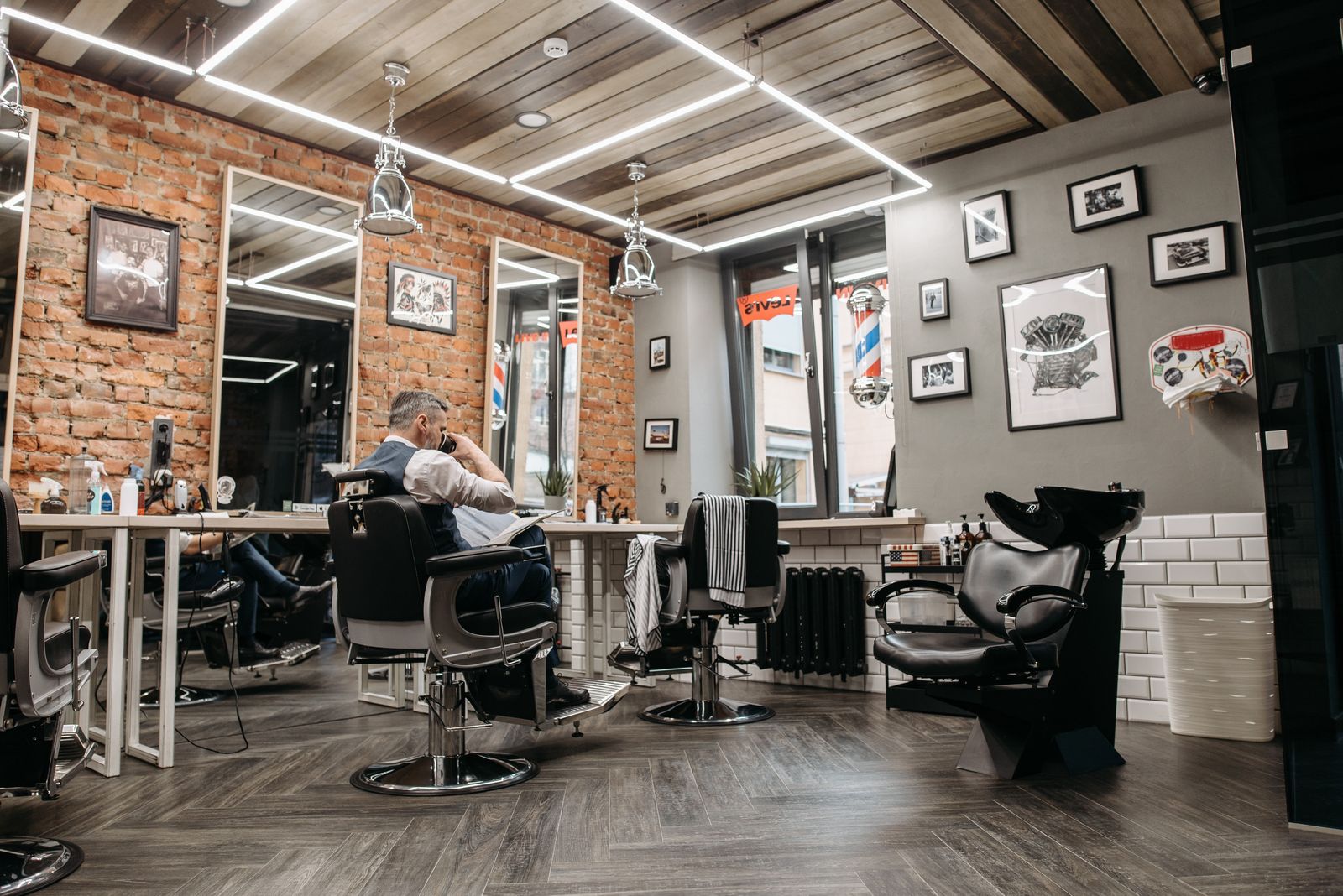
Dry air changes the care, not just the cut
Indoor heat is the main winter scalp problem in the Piedmont. Furnaces run, air dries out, and scalps that behaved all summer start itching and flaking by December. The adjustments are small. Wash a little less often or with a gentler shampoo. Rinse product out fully, since residue plus dry skin itches more. Use a light conditioner even on short hair if your scalp feels tight. And treat static, that winter flyaway fringe along the top, with a pea sized amount of cream product worked through damp hair rather than dry, which only pushes the static around.
Beards follow the same logic. Cold air and indoor heat dry beard hair out, making a shaped beard look wiry by February. A few drops of beard oil after a shower, combed through, is the whole fix for most men, and winter is when skipping it shows.
Hat season is a design constraint
A knit hat compresses whatever is under it and adds friction and static. Cuts with height and volume suffer most, because they rely on that height. If hats are daily wear for you, tell the barber, the same way you would mention glasses or a helmet. At MadeMan Barber Shop that one fact shifts the recommendation toward a flatter top, a cleaner neckline that will not itch under a hat band, and edges that survive being rubbed twice a day. Also consider the reveal: hair that has been under a hat for hours will have a line. A quick pass with damp hands resets most cuts, and shorter, flatter styles reset best, which is a fair trade to weigh against warmth.
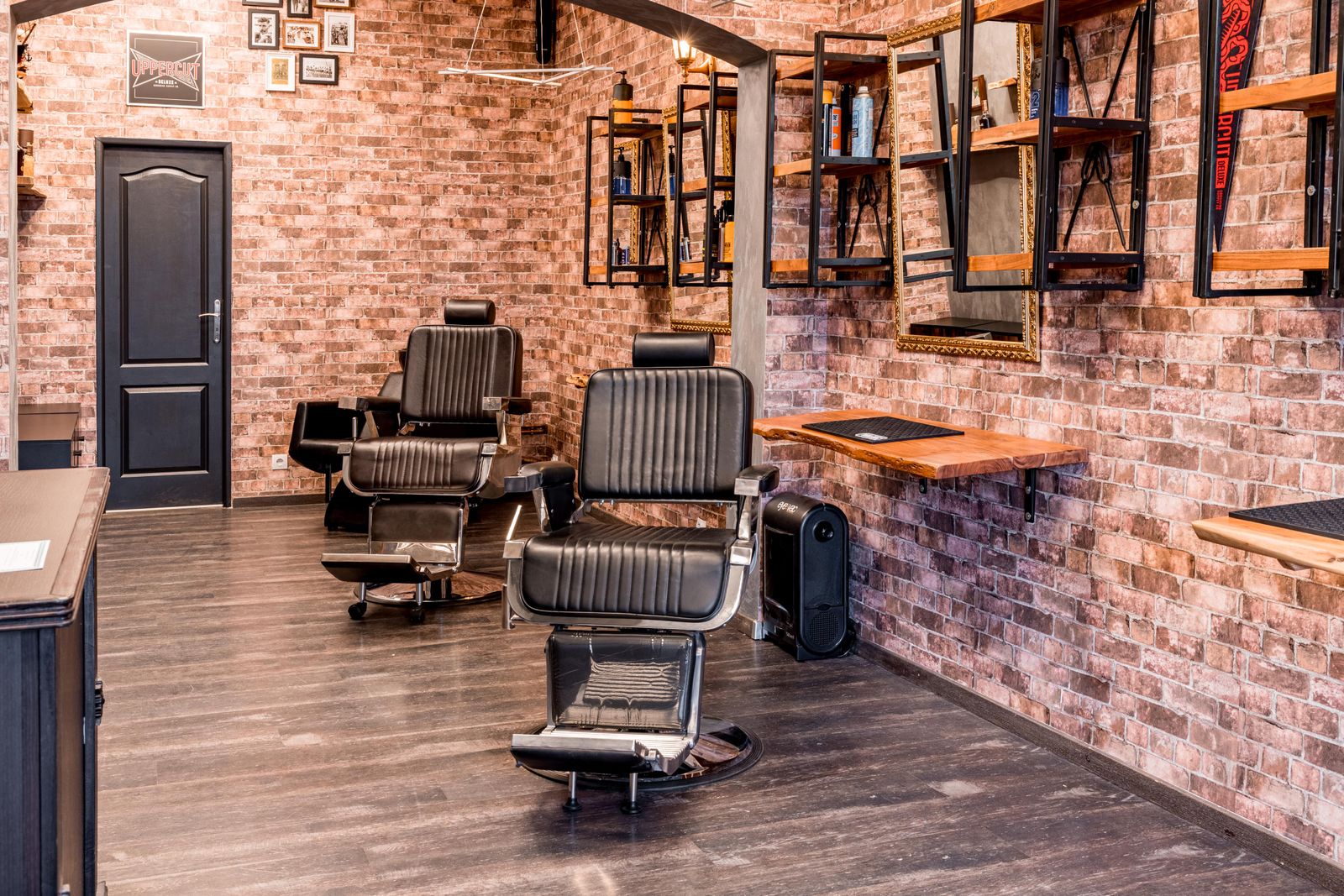
Timing the switch
Make the change at a regular appointment in early fall rather than as a separate project. Growing sides out one guard length takes a single skipped cleanup to start looking intentional, and a taper softens a fade in one visit. The reverse trip in spring is just as simple. What does not work is waiting until the first cold snap and asking for length that is not there yet. Length is grown on a schedule, not installed. Decide in September, and by the first frost the winter cut is already in place and past its newest, least settled week.
Common questions
Should I grow my hair out every winter?
Only if cold exposure or preference says so. Many men keep the same cut year round and only change washing and product for dry air, which works fine.
Why does my scalp itch more in winter?
Indoor heating dries the air and the scalp with it, and residue and frequent washing add to it. Gentler washing, full rinses, and light conditioner settle most cases.
When should I switch back for spring?
At a regular appointment in March or April. The change is one visit in that direction, since taking length off is instant while growing it was the slow part.
Photos in this guide are representative stock images.
← All guides from MadeMan Barber Shop← Back to MadeMan Barber Shop